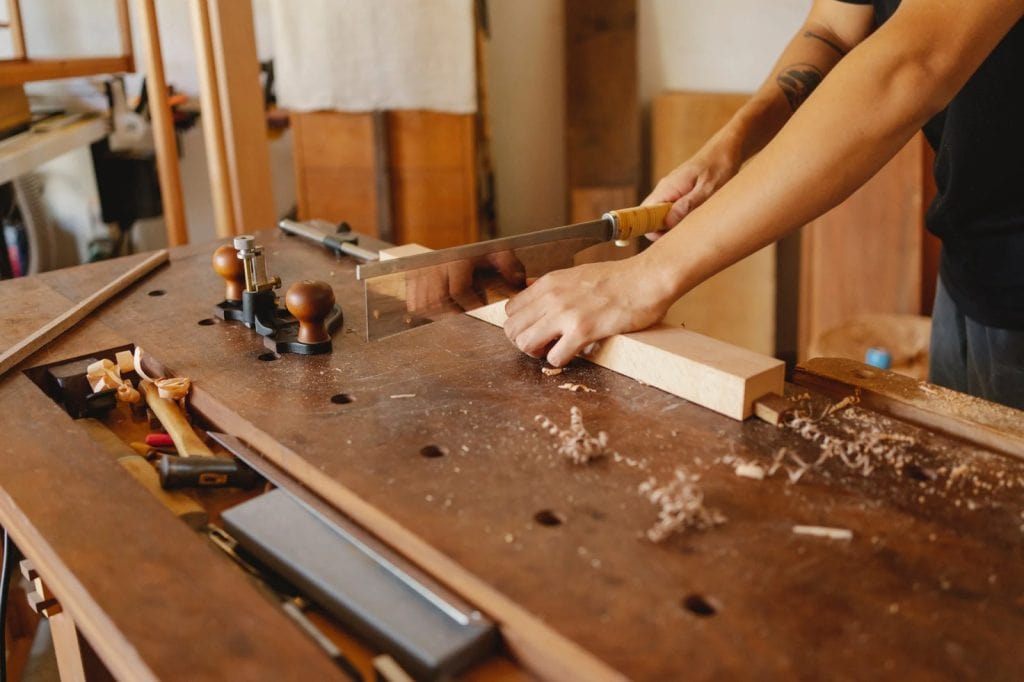
Japanese saws are not just for the hobby woodworker. There are several types of Japanese saws, each with a particular use.
Below, we’ve listed our picks for best Japanese saw by type. If you’d like a more detailed review of each, see our product review section and check out our buying guide while you’re there. It was designed to help you identify the qualities in a great handsaw.
It should be noted that in this article, we focus on the most common and readily available Japanese saws.
Table of Contents
Our Top Picks for The Best Japanese Saw
| IMAGE | PRODUCT | |
|---|---|---|
Best Overall  |
| View On Amazon →Read Our Review |
2nd Best Pick  |
| View On Amazon →Read Our Review |
3rd Best Pick 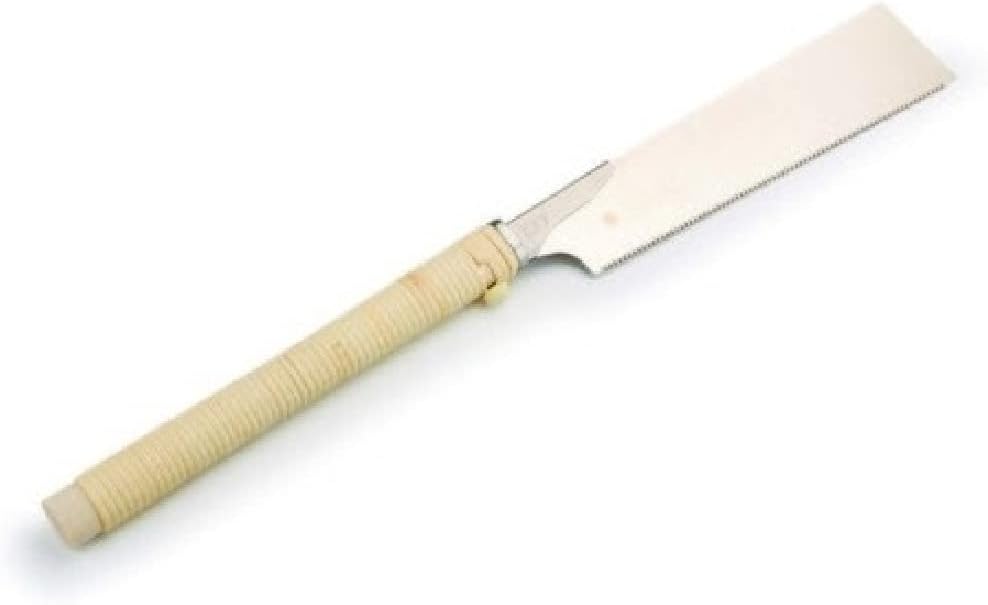 |
| View On Amazon →Read Our Review |
 |
| View On Amazon →Read Our Review |
 |
| View On Amazon →Read Our Review |
Introduction to Japanese Pull Saws
In Japan, the craft of woodworking is a well respected tradition whose roots trace back hundreds of years. The techniques, methods and saw designs have been passed down from generation to generation and Japanese woodworkers are proud to continue this tradition to this very day.
Japanese woodworking saws are unique because of their cutting motion. Japanese saws are some of the best and well known pull saws in the world. The term “pull saw” refers to manual saws that cut on the pull stroke rather than the push stroke when going through a material. While there are variants of pull saws in the other parts of East Asia and the Middle East, no other region makes their pull saws as top quality as the Japanese.
If you’re new to Japanese woodworking saws, their names and classifications can be quite confusing. Not to mention, there are dozens of different brands that all make Japanese saws of different types and sizes. Don’t worry though because in this article, we’ll be going over several of the most common types of Japanese saws along with the basics of pull saws and our list of the best ones available.
Japanese Saw Buying Guide
Different Types of Japanese Saws
Before purchasing a Japanese saw, you should understand the different types and how they are used. Below the different types of Japanese saws are summarized. For more detail on how they are used, check out A Guide to Different Japanese Saw Types.

Douzukinoko
Also called a “Dozuki”, the Douzukinoko is a popular Japanese saw that has a stiffening strip attached to the spine that helps stabilize the blade, effectively making it a backsaw. The Dozuki saws have thin blades that make it great at making precise cuts and are ideal for making dovetails or cutting tenons. While it is possible to make rip cuts or cross cuts using a Dozuki, the strip on the back of the blade makes it challenging for deeper cuts.
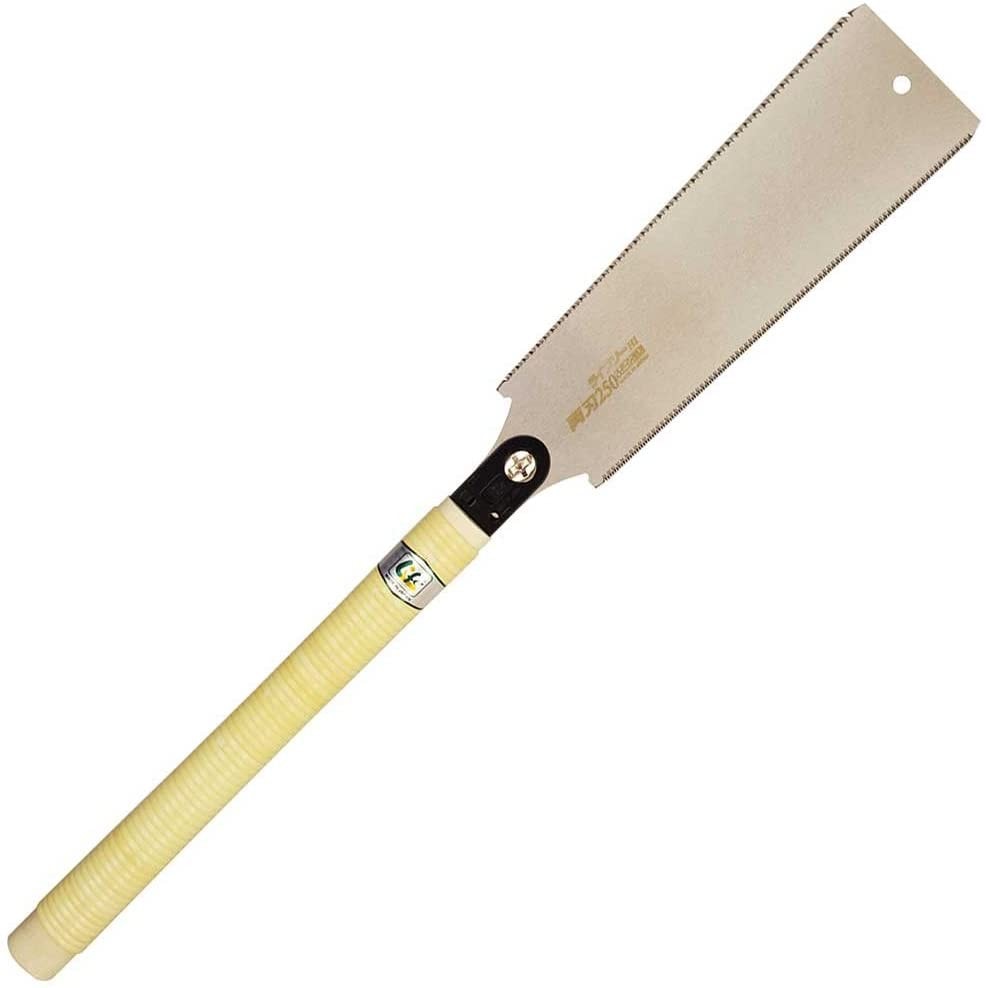
Ryoba
This versatile tool is a great pick for those new to the field of Japanese woodworking saws. Regarded as a multi-purpose saw, the Ryoba has two cutting edges, one for cross cutting and the other for rip cuts. Ryoba saws are often characterized by the length of their blades. Longer Ryoba saws are commonly used for general carpentry while shorter Ryoba saws are used for more accurate cuts on smaller workpieces. Manufacturers will often make changes to the teeth pattern depending on the length of the saw. Some manufacturers even make their Ryoba saws with one side for softwoods and the other for hardwoods.

Kataba
These saws have teeth only on one side similar to a Dozuki saw but without a stiffening strip. Kataba saws are also generally larger than the Ryoba or Dozuki, making them the better choice for deeper crosscuts and rip cuts. Depending on the manufacturer, the spine of the saw blade can be concave to give more emphasis on stronger strokes. This especially helps in cutting through thicker workpieces.
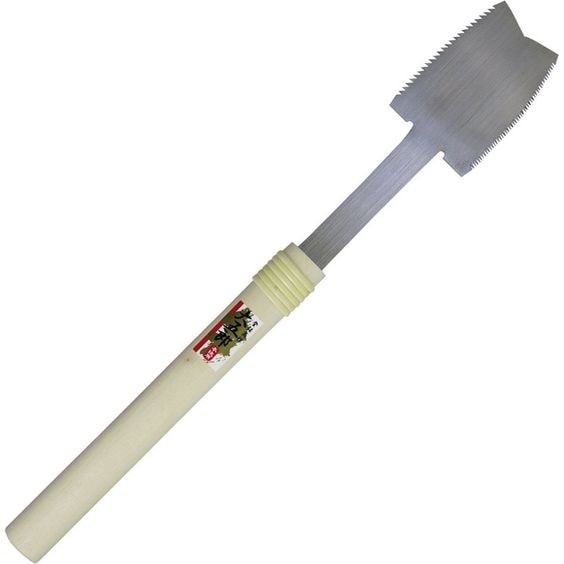
Azebiki
This unique saw has a double edged cutting head similar in purpose to that of a Ryoba. One side of the Azebiki is for cross cutting while the opposite side is for rip cutting. Instead of a long cutting edge, the Azebiki has shorter, concave edges. This lets you cut into flat surfaces instead of starting from the edge of a workpiece. Azebikis are commonly used to cut mortises, grooves and sliding dovetails. The smaller profile of the saw also lets you saw in narrow or awkward positions.

Mawashibiki
Also called a keyhole saw in English, the Mawashibiki saw has a small and thin blade used to cut curves easily. These saws can easily cut tight curves and even holes. Because the Mawashibiki is also a pull saw, the chance of it breaking while making those curved cuts is significantly reduced.
Key Factors of Japanese Saws
Blade Length & TPI
Two key factors of a Japanese saw are its blade length and TPI. Let’s begin with the blade length.
Depending on the type of Japanese saw, the blade length is going to be very important. For example, if you need to make rip cuts or cross cuts, you want to go for a Kataba or Ryoba at least 5 inches long. If you plan to make flush cuts or cut through tenons, then a shorter saw of the same type would be the one for you.
In general, longer saw blades will be better for larger cutting tasks while you’d want to use shorter blades for more precision.
TPI stands for teeth per inch. This term is used for various types of saw blades such as circular saw blades, scroll saw blades and chain saws.
Saw blades with more TPI are capable of making smoother cuts but may take longer to cut through a material. An example of blades that need more TPI are metal cutting blades and finishing blades. Meanwhile, blades that require less TPI tend to cut faster but have rougher finishes. Saw blades for rip cutting commonly have less TPI.
Handle Material
The type of material the handle is made with will affect how comfortable your grip will be when making cuts. Japanese saw manufacturers often use natural materials to make their handles. This can range from rattan, bamboo, oak and cypress.
Some manufacturers of Japanese saws also use synthetic material such as plastic or rubber for a lighter weight yet durable handle.
Pull Saws Vs Push Saws
As we mentioned earlier, Japanese saws are some of the most popular pull saws due to their quality. If you’re coming from a westerner’s perspective, you might not be as familiar with pull saws because push saws are the norm in western countries and cultures.
So, which one is better?
While there’s no direct answer to that question, let’s compare the pros and cons of both types of saw.
| Pros of Pull Saws | Cons of Pull Saws | |
Pull Saws | – Requires less energy to make a cut – Regarded as faster cutting – Leaves smoother finishes – Very thin kerfs – Designed with longer handles – Pulling motion gives user more control | – Requires significant skill and practice to master – Not beginner friendly – Not ergonomic in nature – Requires more room to make a pulling motion – Not designed for hardwoods |
| Pros of Push Saws | Cons of Push Saws | |
Push Saws | – Beginner friendly – Can cut hardwoods faster – More rugged – More common | – Leaves rougher finishes – Requires more effort to make cuts – Wider kerf – Less maneuverable |
Our verdict is that if you’re willing to take the time to learn how to use one, a Japanese pull saw is a worthy investment because of the accuracy and smoothness of the finishes you’ll have. If you’re looking for something more familiar and gets the job done just a little rougher, then a western push saw won’t fail you either.
Tips and Tricks
As you may have guessed by now, Japanese pull saws require a great deal of practice to master. Here are a few tips we hope will help you become more proficient at cutting with Japanese saws.
- When making your first cut, score the surface lightly before applying more force. Use your thumb to position the blade over the cutting line.
- Maintain proper posture and stand with your whole body facing the workpiece. The pulling motion should be towards your body and not at an angle.
- Apply light pressure when making the pulling motion. Japanese pull saws are very thin but very sharp and require precision more than force to use.
- As much as possible, blow away any saw dust.
- Use the appropriate saw for the appropriate cut. Especially when using a Ryoba saw, make sure to use the right side for the cutting task.
- Use both hands. Using both of your hands when cutting will ensure that you have full control over the blade and the motions.
If you’d like a more in depth tutorial on how to use Japanese saws, here’s a video we found that you might appreciate.
Best Japanese Saws Reviewed
For this segment, we’ll be going over our reviews of the most common Japanese saws online. Namely the Dozuki, Ryoba, Kataba, Azebiki and Mawashibiki saws. We specifically chose these saws to review because they are currently the most readily available and best quality in their class.

Best Dozuki Saw: SUIZAN 6 inch Dozuki Saw
Overview:
Suizan is a well known manufacturer of Japanese saws. In fact, nearly half the saws that are available were from Suizan. Their quality and reputation goes nearly unmatched because they offer some of the best Japanese saws.
The Suizan Dozuki saw has a 6 inch blade length but a whopping 25 TPI giving it a very fine cut. The blades are made with Japanese steel and give you smooth and accurate cuts with little effort. Combined with its very thin kerf and you have a saw capable of cutting wood as if it were butter. The blade of the Suizan Dozuki saw is also interchangeable and uses only one screw to secure.

The handle on this Dozuki saw is made with high quality white wood and wrapped in bamboo to give you a firm grip when making cuts. The handle is long enough to hold with both hands so that you have more control over the cut
With a perfect balance of length and weight, this saw gives users a great cutting experience once you get to know the craft. If you’re looking for a new Dozuki saw or if you’re thinking of buying one, we can’t recommend this one from Suizan enough.
Check out the Suizan 6 inch Dozuki saw here.
| Saw Specs: | Saw Features: |
| – Overall Length: 15.5 – Blade Length: 6 inches – TPI: 25 – No. of Teeth: 150 – Kerf: 0.012 inches – Weight: 1.27 ounces | – Interchangeable blade – Bamboo and white wood hand – leIdeally for flush cutting and dovetails – Made with high quality Japanese steel |
Best Ryoba Saw: SUIZAN 9.5 inch Ryoba Saw
Overview:
Here we have another great saw from Suizan in the form of the Ryoba.
The Ryoba has a 9.5 inch blade and is great for making deep crosscuts and rip cuts on wood. Being a Ryoba saw, it has 2 cutting edges with different TPIs and teeth patterns. The cutting edge for crosscuts has a TPI of 15 and has smaller teeth allowing for smoother finishes. The cutting edge for rip cutting on the other hand has a TPI of 9 for and has longer teeth for faster cutting action.
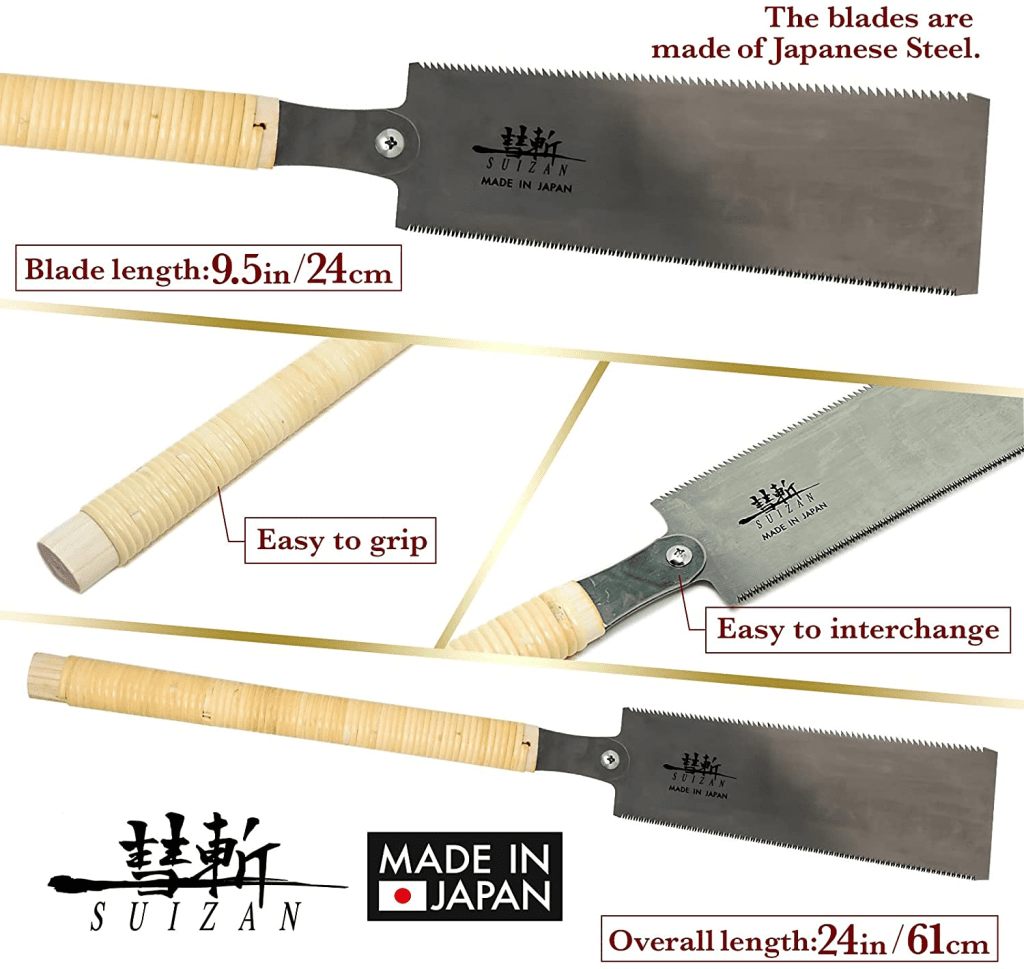
The blade on this Ryoba is very thin with a kerf of only .02 inches. The thin kerf on this Ryoba saw lets you spend less effort cutting because the saw isn’t coming into contact with as much material. This unique design lets you focus more on keeping the blade in place and gives you more control on how much force you need to put into the stroke. The blade is also interchangeable and is held in place by one screw. Blade changes are quick, easy and the replacement blades are affordable.
The extra long handle on this Ryoba saw is made with white wood and wrapped in bamboo giving it a traditional feel while remaining lightweight and sturdy. This balance between length and weight on this saw gives users a great cutting experience once you get into the motions.
Check out the Suizan 9.5 inch Ryoba saw here.
| Saw Specs: | Saw Features: |
| – Overall Length: 24 inches – Blade Length: 9.5 inches – Rip Cut TPI: 9 – Cross Cut TPI: 15 – No. of Teeth on Rip Cut: 85 – No. of Teeth on Cross Cut: 142 – Kerf: 0.02 inches – Weight: 1.27 ounces | – Interchangeable blade – Bamboo and white wood handle – Ideally for rip cutting and crosscutting – Made with high quality Japanese steel |

Best Kataba Saw:
Gyokucho No. 410 Razorsaw 9.5 inch Kataba
Overview:
The Kataba is a single edge pull saw used for flush cutting, crosscutting on projects too large for a Dozuki and can be used for rip cutting as well in the absence of a Ryoba.
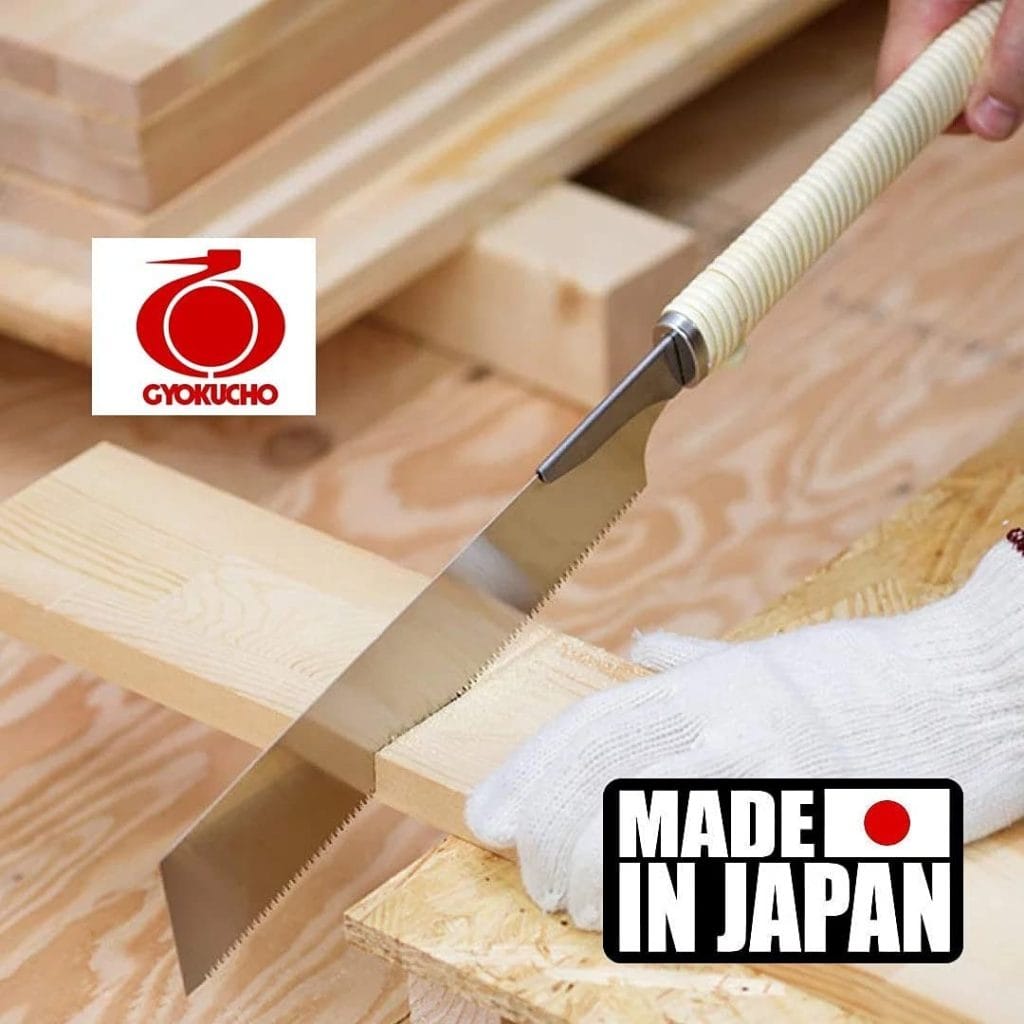
This Kataba saw from Gyokucho has a 9 and a half inch blade with a TPI of 16 for smooth finishes and fast cutting action. The shorter spine on this Kataba saw adds some stability while not restricting the blade from passing through deeper workpieces while making rip or cross cuts. The smooth edge on the other side of the Kataba lets the blade pass through a workpiece without having to worry about tearout; a problem that Ryoba saws encounter when cutting through deeper workpieces.
The handle on this Kataba saw is made with white wood and wrapped with rattan instead of bamboo. The rattan still gives users a good grip, durability and ages surprisingly well when compared to bamboo.
The Gyokucho Razorsaw Kataba is a great choice for woodworkers looking for a quality Japanese saw capable of making smooth, deep cuts.
Check out the Gyokucho Kataba saw here.
| Saw Specs: | Saw Features: |
| – Overall Length: 23.8 inches – Blade Length: 9.4 inches – TPI: 16.9 – No. of Teeth: 158 – Kerf: .02 inches – Weight: .16 ounces | – Interchangeable blade – Rattan and white wood handle – Ideally for flush cutting, crosscutting and rip cutting – Made with high quality Japanese steel – Corrosion resistant coating |
Best Azebiki Saw:
Gyokudo 4 inch Azebiki Saw
Overview:
While somewhat uncommon, the Azebiki saw serves a unique and important purpose of cutting into a workpiece.
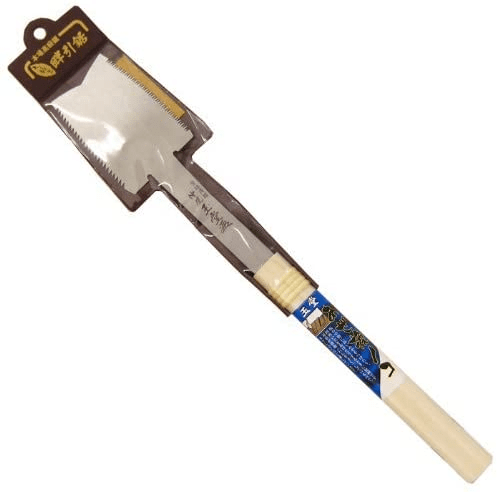
Azebiki saws have two cutting edges, one side for crosscutting and the other for rip cuts similar to that of a Ryoba. However, the blade of an Azebiki is shorter than that of a Ryoba and is convex in design. The convex cutting edges let the Azebiki cut into surfaces instead of starting from an edge.
This Azebiki saw from Gyokudo comes with a 4 inch blade with a kerf of .04 inches. The cutting edges have TPIs of 28 for the rip cutting side and 64 TPI for the crosscutting side. The Azebiki saw is a great choice for projects that require you to begin cutting into a surface rather than from an edge. Some cutting tasks that an Azebiki can be used for includes scabbard making for knives or swords and making grooves mid-panel.
The Azebiki saw has a very specific purpose for woodworkers. Although it is less popular than other Japanese saws, the Azebiki is a great addition to any woodworkers workshop for fine furniture making.
Check out the Gyokudo Azebiki saw here.
| Saw Specs: | Saw Features: |
| – Overall Length: 18 inches – Blade Length: 4 inches – Rip Cut TPI: 7 – Cross Cut TPI: 16 – No. of Teeth on Rip Cut: 28 – No. of Teeth on Cross Cut: 64 – Kerf: .04 inches – Weight: 3.52 ounces | – Polished white wood handle – Ideal for cutting into flat surfaces – Made with high quality Japanese steel |
Best Mawashibiki Saw:
Kakuri 4 inch Mawashibiki Saw
Overview:
Kakuri is another well known manufacturer of Japanese saws. They have a way of balancing modern aesthetics with traditional tools that catches the attention of many woodworkers worldwide.
Mawashibiki saws are also known as keyhole saws and excel at making thin or narrow cuts. This type of saw is commonly used to make curved cuts for projects like musical instruments or furniture. Mawashibiki saws don’t have the smoothest finishes but are great tools to have when the project calls for it.
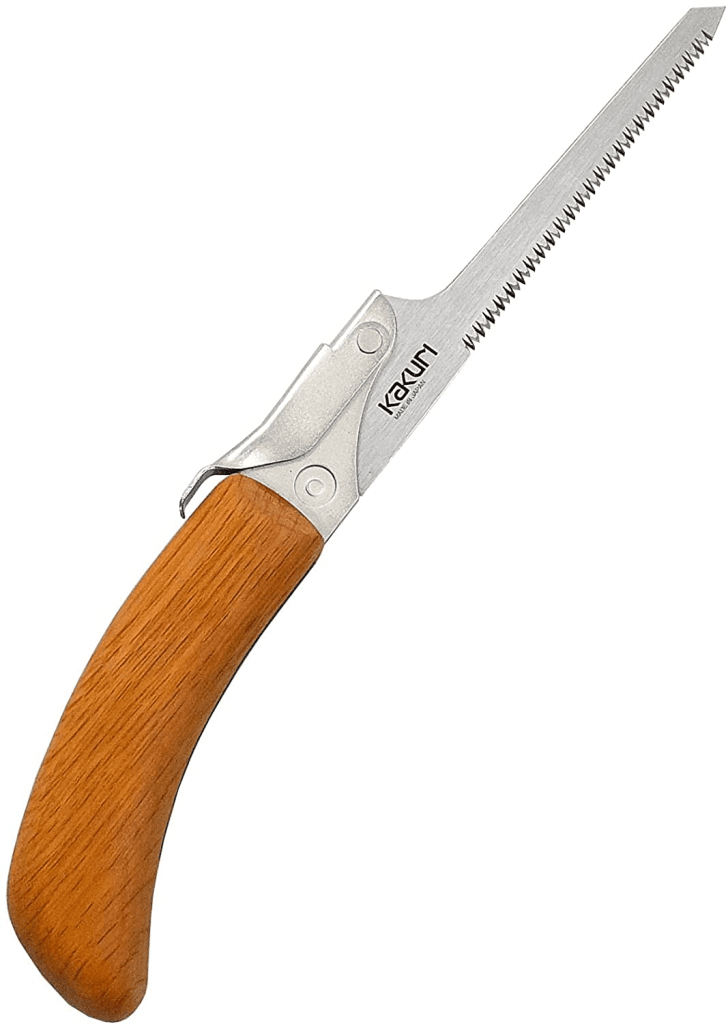
This Mawashibiki saw from Kakuri is no exception. It features a razor sharp 4 inch blade with a TPI of 13 for a more aggressive cutting action. The blade on this Mawashibiki is interchangeable and has a quick release mechanism so you can easily swap it out for a replacement blade.
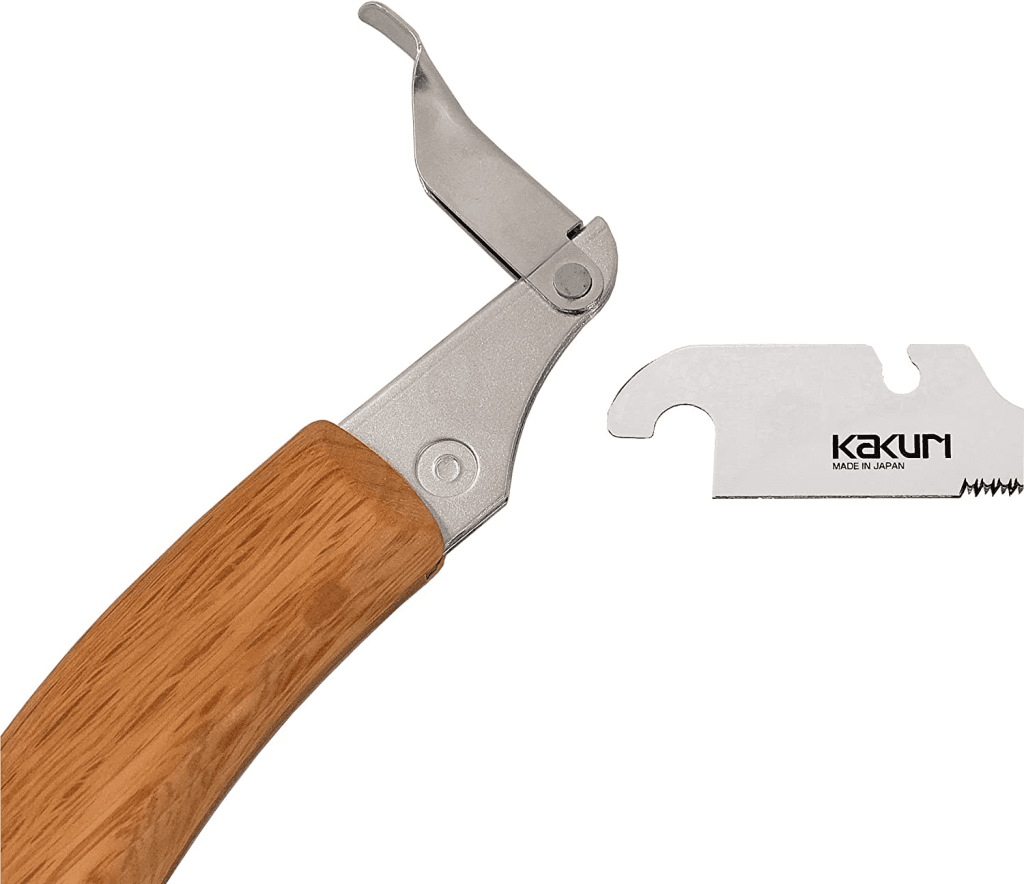
Speaking of replacement blades, Kakuri offers replacement blades of multiple lengths, shapes and TPIs depending on your needs. This greatly increases how much versatility one of their saws can give users and lets you work on different types of projects without having to spend extra on another saw.
The handle on this Mawashibiki is made with Japanese red oak and has an oiled finish. The handle is shaped in a way that fits the palm of the user’s hand and is meant to be comfortable to hold even during longer sessions.
Check out the Kakuri Mawashibiki saw here.
| Saw Specs: | Saw Features: |
| – Overall Length: 11.4 inches – Blade Length: 4 inches – TPI: 13 – No. of Teeth: 52 – Kerf: .047 inches – Weight: 4.6 ounces | – Quick change blade – Red oak handle – Ideal for narrow cross cutting – Made with Japanese tool steel – Various blade options available |
FAQs
Q: How long does a Japanese saw last?
A: Depending on the types of projects you’ll be using the saw for, Japanese saws can potentially retain their sharpness for years. Japanese saws are meant to be handled with elegance and skill. Using the saw too roughly or incorrectly could lead to the blade becoming blunt faster.
Q: Is using a Japanese saw worth it?
A: If you have a passion for using hand tools for your projects then yes, Japanese saws are definitely worth it. For their relatively low price tags, you get top quality pull saws that offer smooth finishes and faster cutting speed than your average push saws. Japanese saws require lots of practice to master but we believe that learning the techniques is part of becoming a better woodworker.
Conclusion
And there we have it, our list of the best Japanese saws and their basics. We hope that this article has taught you a new thing or two about Japanese saws and that you helped you figure out which one is the best for you. Thank you dear reader and happy sawing!