If you want to sand surfaces quickly, you know it can be difficult to find the best tool for your needs. You will encounter different types of sanders, with each one more confusing than the last. To guide you, we will show you the differences and specific uses of sanders below.
Power sanders come in 12 different types. The two main categories are surface sanders and floor sanders. The former can polish surfaces like furniture, while the latter can remove rough spots on floors and other large materials.
There are more kinds of sanders to consider if you want to smooth other materials. Below, you will learn each sort, and its matching uses. You will also know when to use the power tool.
What Are the Different Types of Sanders and Their Uses?
Power sanders have built-in motors or batteries to abrade different surfaces efficiently. They eliminate the need to sand materials manually. As such, they leave smooth finishes without noticeable scratch marks.
Power sanders are categorized into either surface or floor sanders. These are further divided into different types. Each offers distinct capabilities and uses. It is best to choose one that can meet your project needs.
Surface Sander
A surface sander uses an abrasive sandpaper or pad to smooth wood, metal, and plastic surfaces.
There are several types of surface sanders. Each has a specific purpose, as we will show you below.
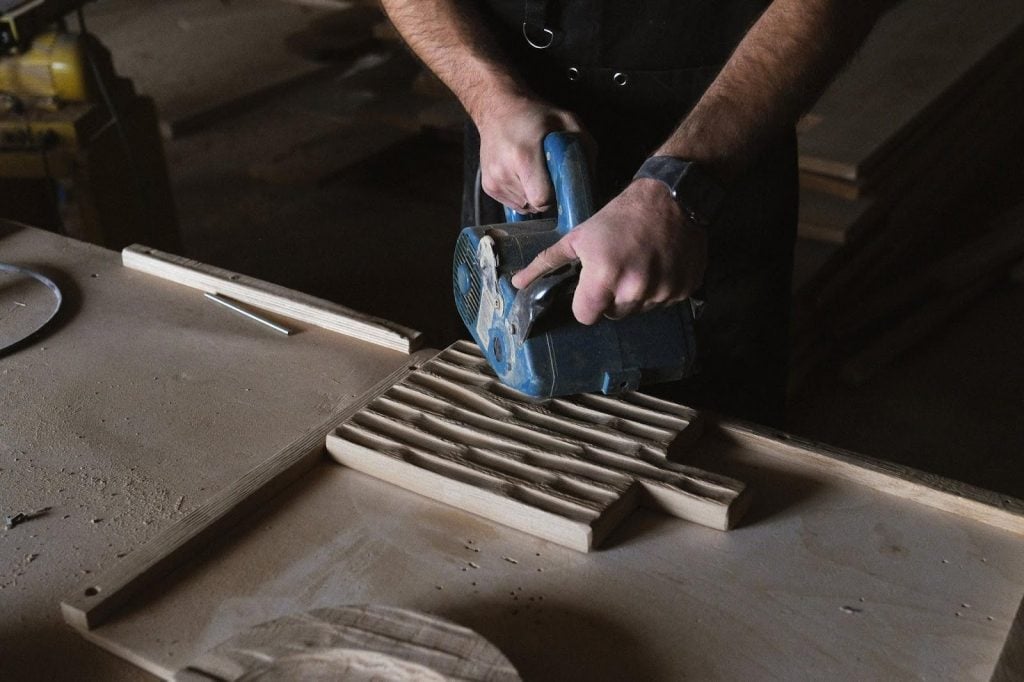
Belt Sander
This type of sander features a belt to sand surfaces, hence the name. Motor-driven wheels or rollers run the sandpaper belt in a circular motion to polish surfaces.
Belt sanders accept different kinds of grits to achieve varying sanding levels. But in general, these tools can quickly remove old finishes and shape wood. They are among the most powerful and fastest types of sanders you can buy.
However, a belt sander can be dangerous if misused. It is also difficult to reach small areas or tight corners with this power tool.
Disc Sander
A disc sander has a rotating disc turning at high speeds. It uses circular sandpaper or sanding pad to abrade wood, metal, and plastic materials.
Due to their fast speeds, disc sanders can quickly remove paint, varnish, and other materials. They also allow you to shape surfaces, making them popular for woodworking and other DIY projects.
This type of sander leaves swirl marks if not used properly. It can also create a lot of dust, which can be harmful once inhaled.
Fortunately, some models include built-in dust collection systems. These help you clean the dust left behind after the sanding process.
Orbital Sander
Also known as rotary sanders, orbital sanders move in a fixed circular pattern when sanding surfaces. They let you attach a square or rectangular abrasive pad to remove rough spots and paint on the material. They also provide a fine finish, which is more suitable for wood surfaces.
But like a belt sander, an orbital sander can be tricky to use. It can leave swirl marks and grooves if misused.
Orbital sanders also used to be popular. However, they have been surpassed by the next type of power sander.
Random Orbital Sander
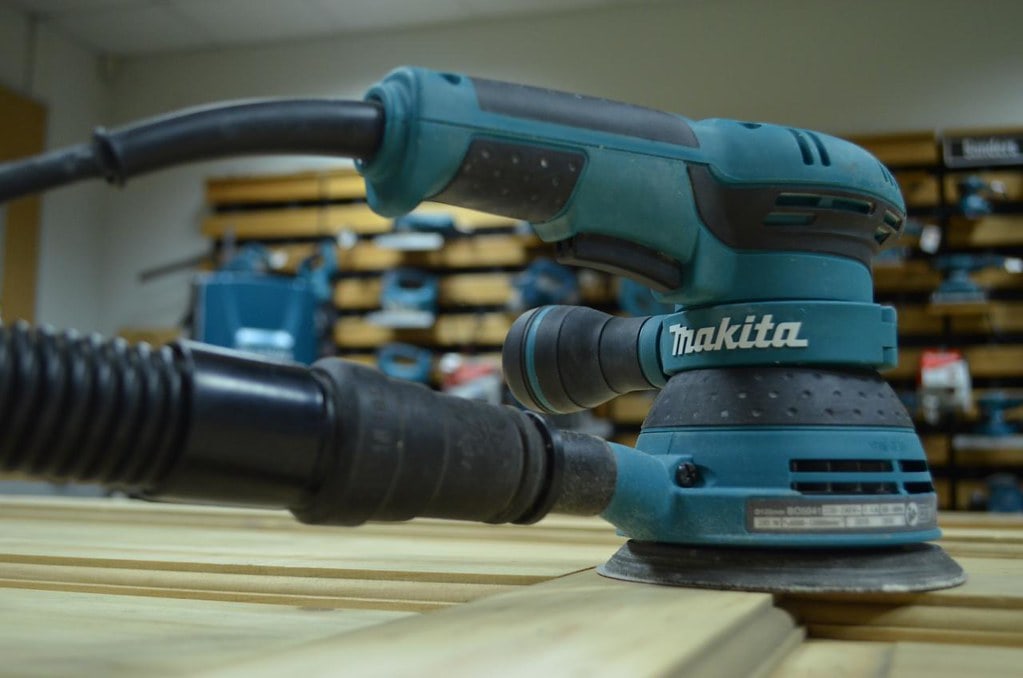
Random orbital sanders function similarly to rotary sanders—they move in circles to achieve a smooth surface. But instead of circulating in a fixed pattern, these sanders randomly rotate. The erratic movement prevents swirl marks from appearing on the surface.
A random orbital sander can also quickly remove material, whether that is wood, paint, or rust. It is ideal for heavy-duty tasks requiring a professional finish. It ultimately offers more versatility than standard rotary sanders.
The only downside is that this type of power sander has a higher price.
Detail Sander
As its name suggests, a detail sander is suitable for fine finishing and other detailed work on wood, metal, and plastic. It features a triangle-shaped sanding pad that vibrates at high speed. This unique abrasive pad can reach tight crevices, corners, and edges.
Detail sanders can also remove paint and varnish in hard-to-reach areas. They come in handy when working on small projects, like furniture restoration.
However, these types of sanders tend to be slow due to their small sanding area. They cannot handle large projects and certain tasks requiring quick results.
File Sander
This power tool has a narrow belt that can help you sand the smallest areas. It allows you to achieve ultra-precise and detailed work. Plus, it is easy to use and store away after sanding.
Despite its small size, a file sander is air-powered and uses electricity for efficiency. It can quickly polish very rough surfaces and shape wooden panels by removing material.
Note that file sanders cannot work on large surfaces. They also require the proper sanding angle for the best results.
Drywall Sander
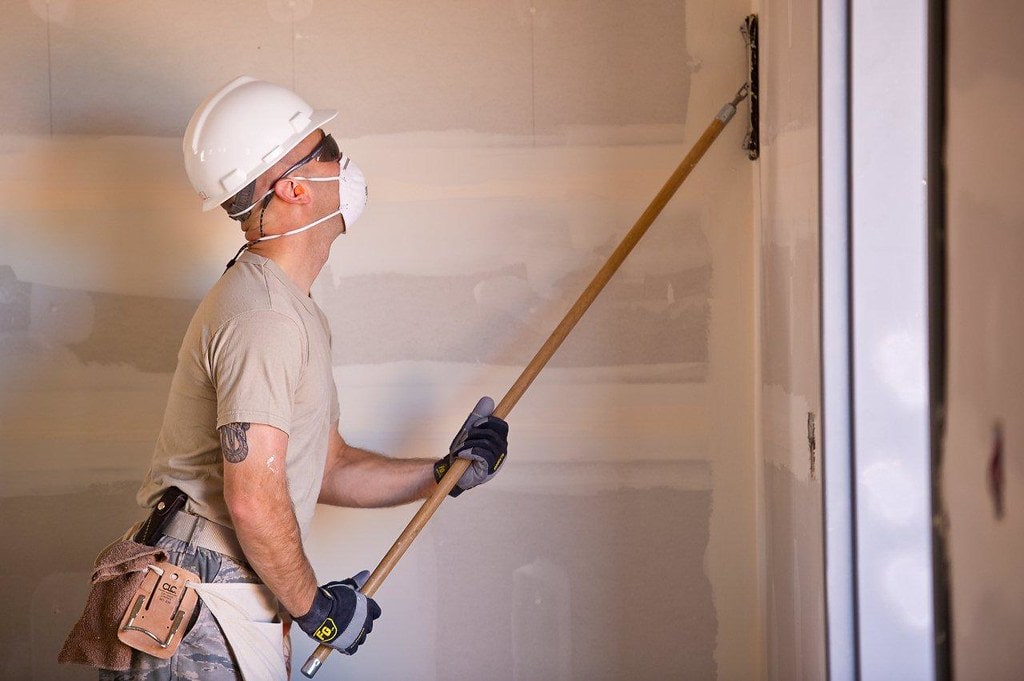
A drywall sander can effectively smoothen drywall. It comprises a long pole that connects to a vacuum or dust collection system. With the help of this tool, it can remove dust and extra adhesive from drywall and ceilings.
However, this type of power sander is difficult to use in small areas because of its long pole. It also tends to cost more.
Dual-Action Sander
Also known as a DA sander, this handheld power tool works like a belt and disk sander in one. It uses both rotary and linear movements of the sanding pad to achieve a polished surface. It also eliminates the unwanted swirl marks on the surface after sanding. This makes the tool suitable for automotive and woodworking tasks.
Despite these benefits, dual-action sanders can still create grooves on the surface when misused. Check the manufacturer’s instructions for proper usage tips.
Finger Sander
A finger sander is another powerful handheld tool for sanding wood. It looks like a mini belt sander. It is designed to reach into grooves or folds on the wooden surface. Plus, the small belt component allows you to achieve an ultra-fine and polished material.
But due to its compact size, the finger sander cannot work on large areas.
Floor Sander
A floor sander uses a large sanding drum instead of sandpaper or abrasive pads. It is ideal for leveling wooden floors, hence the name. It can also remove old finishes, rust, and other rough spots from the surface.
Drum Sander
This power tool features a rotating drum powered by drive wheels. It looks like a larger and upright belt sander.
Drum sanders can smooth and level flat surfaces like floors and doors. They can also quickly remove rust, finishes (paint or varnish), and other irregularities from the wooden material.
A drum sander even comes in different sizes to meet your project needs. However, it is usually a floor-standing model with a high price tag. It is available in large home centers and tool rental centers.
Edging Sander
An edging sander is the younger sibling of the drum sander. It is smaller and lighter in weight, which allows you to reach tiny areas. It can also be a handheld or bench-mounted model. Regardless of the design, it can sand floor edges, door frames, stairways, and other narrow surfaces.
Despite its more compact size, the edging sander is still powerful enough to cause damage to the floor when misused.
Oscillating Spindle Sander
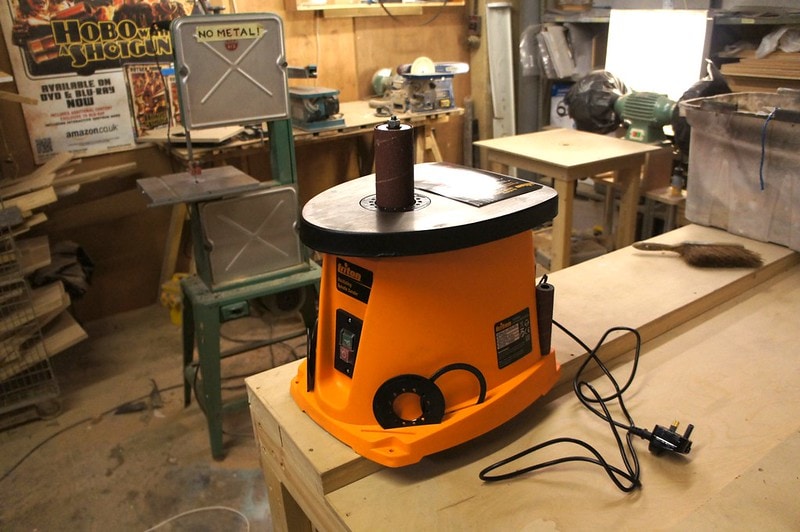
This tool is another benchtop floor sander. As its name suggests, it uses a rotating or oscillating spindle to raise and lower the sanding drums. The drums make contact with the wood and abrade its surface. They can effectively prevent grooves and uneven sanding.
However, oscillating spindle sanders have limited uses. They can only sand curves and contours instead of flat surfaces. Plus, they can be expensive.
When to Use the Different Types of Sanders?
By now, you know the distinct features of each sander type. Still, you may have questions about the ideal time to use it. Below, we will teach you the conditions in which they work the best.
Belt Sander Uses
This tool can sand flat surfaces and remove different materials quickly. It can also strip off existing paint or varnish, which is perfect for renovation projects. Plus, the belt design allows you to shape edges.
Disc Sander Uses
It can smooth wood, metal, and plastic materials. It can also sand curved edges, bevels, and other kinds of shaping you want.
Orbital and Random Orbital Sander Uses
These power tools give you an ultra-fine finish by sanding and removing the material. They are also versatile enough to remove paint, rust, and other surface irregularities. These make them ideal for various DIY projects, such as home renovation and general woodworking.
Detail Sander Uses
This sanding tool can reach tiny corners, edges, and spaces. It is ideal for fine finishing work, refurbishing furniture, and other tasks with hard-to-reach places.
Drywall Sander Uses
This tool can smooth joints, ridges, and other rough patches on a drywall surface. It can also strip off paint, texture, and other adhesives from the wall. It is suitable for construction and renovation projects, whether for commercial or residential purposes.
Dual-Action Sander Uses
Since a DA sander borrows features from both belt and orbital sanders, it can be a great alternative for the two tools. However, a dual-action sander is mainly designed for sanding large surfaces without leaving swirl patterns. It can meet your automotive and woodworking project needs.
Drum Sander Uses
The drum sander can sand various materials from your wooden floor or deck. These include cement, finishes, paint, gouges, and more. It ultimately gives you a smooth surface ready for new paint or finishing.
Conclusion
You can leave manual sanding behind and invest in tools, like power sanders, to complete your tasks quickly. These devices come in 12 different types, each with unique features and uses. So whether you want to smooth flat surfaces, shape edges, or fix gouges, you can find the best type of sander on our list above.
Are you still unsure which sander fits your project needs? Contact us today so that we can match you with the best tool.